







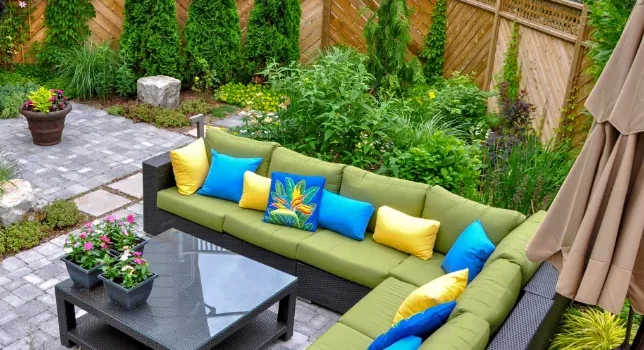
As spring arrives, it’s the perfect time to start preparing the garden you’ve always dreamed of. Whether you’re planning to relax and enjoy the outdoors or grow your own produce, a well-planned garden can transform your space into a vibrant sanctuary. Designing the perfect garden is an exciting journey that requires careful thought, planning, and a little hard work. Here’s a guide to help you get started on cultivating the garden of your dreams.
1. Visualize Your Dream Garden
Before you begin planting, take a moment to imagine what you want your garden to look like. Do you prefer the structured beauty of a formal garden with neatly trimmed hedges, or are you drawn to the wild charm of a flower meadow? Perhaps you’re interested in growing fruits, vegetables, and herbs? Whatever your vision, it will guide your plant choices, garden layout, and overall design. If you need inspiration, check out gardening magazines or online resources for ideas that match your style.
2. Assess Your Garden Space
Next, take a good look at your garden space. Consider important factors like sunlight exposure, soil quality, and drainage. Different plants thrive under different conditions, so it’s essential to understand what your space has to offer. Think about how you can best arrange garden beds, pathways, and focal points to optimize the space and create visual appeal. Even if your space isn’t perfect, don’t worry! You can always make adjustments to suit your needs.
3. Choose the Right Plants
Select a variety of plants that work well together in terms of color, size, texture, and blooming times. A mix of perennials and annuals will give you year-round interest, while trees, shrubs, and ornamental grasses add structure and texture. Be mindful of each plant’s mature size to avoid overcrowding, ensuring there’s enough space for them to grow. If you’re planting food, don’t be afraid to grow more than you can consume—friends and neighbors will be happy to take any excess off your hands.
4. Plan for Year-Round Interest
To keep your garden beautiful throughout the seasons, choose plants that provide visual appeal at different times of the year. Incorporate flowers that bloom at various times and plants with interesting foliage colors. Add evergreen shrubs for winter structure, and consider early-blooming bulbs for a splash of color when spring arrives. Planning ahead means some plants might take longer to come in, but it’s a great way to get a head start and build for the future.
5. Prepare Your Soil
Healthy soil is crucial to a thriving garden. Start by testing the soil’s pH and nutrient levels, and amend it as needed to create the best conditions for your plants. Organic matter such as compost, leaf mulch, or aged manure will improve soil structure and fertility. Regularly refreshing the soil will help your garden flourish season after season, keeping it in top shape.
6. Plant Carefully
When planting, handle your plants with care to avoid damaging their roots and stems. Dig planting holes that are slightly larger than the root ball, and backfill with soil, gently firming it around the base. Make sure to water the plants well to help them establish roots. Always follow any specific instructions on plant tags to give your new plants the best chance for success.
7. Provide Ongoing Care
To keep your garden healthy and thriving, consistent maintenance is essential. Create a watering routine based on your plants’ needs, and be mindful of weather changes. Remove weeds as soon as they appear to prevent them from competing for resources, and deadhead flowers to encourage more blooms. As plants grow, you may need to reposition or thin them out to ensure they have enough space.
8. Practice Sustainable Gardening
Opt for eco-friendly gardening practices to minimize your environmental impact. Use organic fertilizers and natural pest control methods instead of harsh chemicals. Mulch your garden beds to conserve moisture and suppress weeds, which can reduce your water usage and help keep your plants healthy.
9. Embrace Trial and Error
Gardening is a learning experience, and not every plant will thrive in your specific conditions. Don’t be discouraged by setbacks or failures; instead, use them as opportunities to learn. Experiment with new plants and gardening techniques, and adapt your design as you go. Remember, gardening is a process—it takes time and patience to perfect.
Creating your ideal garden is a rewarding process that involves creativity, patience, and care. By visualizing your dream space, choosing the right plants, and giving them the attention they need, you can craft a garden that brings joy, beauty, and tranquility to your outdoor space for years to come. So, grab your gardening tools, roll up your sleeves, and let your garden vision take root!