







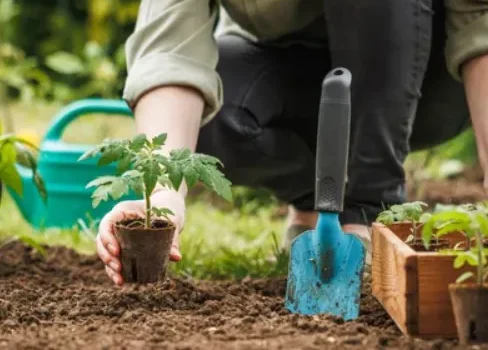
Gardening offers a rewarding way to enjoy the outdoors, grow fresh food, and create a beautiful space. Whether you’re a beginner or a seasoned gardener, knowing when to plant and how to nurture your garden is key to achieving a plentiful harvest. From understanding your local climate to selecting the right plants and using effective care techniques, a little preparation can go a long way. Here’s your guide to starting your garden in Canada, along with tips to ensure a bountiful harvest.
When to Start Your Garden in Canada
The timing for planting your garden largely depends on where you live in Canada. Given the country’s wide variety of climate zones, your growing schedule will differ from region to region. Understanding your hardiness zone is the first step in determining the best planting times. The Canadian Plant Hardiness Zone Map is an invaluable tool for finding out the ideal dates for planting based on your area.
Spring Planting (March to May)
Spring is the prime time to start planting in most regions. As temperatures rise and the risk of frost diminishes, it’s a good time to put in cool-season crops. These include:
- Leafy greens (lettuce, spinach, kale)
- Root vegetables (carrots, radishes, beets)
- Peas and onions
For crops that need more warmth, like tomatoes, peppers, and cucumbers, start seeds indoors about 6–8 weeks before the last expected frost. Transplant them outdoors when the temperatures stabilize.
Summer Planting (June to August)
By early summer, many plants are already thriving, but it’s still a great time to plant fast-growing crops like:
- Beans
- Zucchini
- Basil and other herbs
You can also plant succession crops such as lettuce or radishes to extend your harvest throughout the season.
Fall and Winter Gardening (September to February)
If you’re in a milder climate, you can grow cold-hardy crops such as garlic, winter greens, and Brussels sprouts through the cooler months. Greenhouses, row covers, and cold frames also provide extra protection against frost, letting you extend your gardening season into late fall and even winter.
Tips for a Thriving Garden
Now that you know when to plant, it’s time to focus on the essentials of growing a healthy garden. Here are some key strategies to help ensure your plants thrive.
1. Improve Your Soil
Healthy soil is the cornerstone of a successful garden. Before planting, test the soil’s pH and nutrient levels using a soil test kit. You can improve most Canadian soils with these additions:
- Compost to add nutrients and organic matter
- Manure (aged, not fresh) for extra fertility
- Mulch to help with moisture retention and weed control
- Lime or sulfur to adjust soil pH if needed
Tilling the soil can improve aeration, but avoid overworking it as that can disrupt beneficial microorganisms.
2. Choose Plants Suited to Your Climate
Pick plants that are well-suited to your specific growing conditions. Look for varieties listed for your hardiness zone, and consider native plants and disease-resistant hybrids for the best results. These varieties are more likely to thrive in your climate.
3. Start Seeds Indoors When Necessary
If you want an earlier start, begin seeds indoors a few weeks before the last frost. Use a sunny windowsill or a grow light setup to help your seeds grow strong. Once seedlings have developed their second set of leaves, you can transplant them outside.
4. Water Effectively
Watering is one of the most critical aspects of gardening, but it’s important to avoid overwatering, which can lead to root rot. Here’s how to manage watering:
- Water deeply and less frequently to encourage strong root systems.
- Water early in the morning or late in the evening to reduce evaporation.
- Use soaker hoses or drip irrigation to water directly at the roots.
- Mulch around plants to help conserve moisture.
5. Companion Planting for Better Growth
Companion planting involves growing different plants together that can benefit each other. This can improve pest control and overall plant health. Some good combinations include:
- Tomatoes and basil: Basil helps repel pests and enhances tomato flavor.
- Carrots and onions: Onions deter carrot flies.
- Marigolds with vegetables: Marigolds act as a natural insect repellent.
6. Stay on Top of Weeds and Pests
Weeds compete for resources like water and nutrients, so keep them in check by:
- Hand-pulling weeds regularly.
- Using mulch to block weed growth.
- Installing landscape fabric in pathways to prevent weed emergence.
For pests, encourage natural predators like ladybugs or praying mantises, or opt for organic pest control methods such as neem oil or insecticidal soap.
7. Fertilize Wisely
Fertilization is essential for plant growth, but too much can be harmful. Use organic fertilizers like compost tea or fish emulsion, which release nutrients slowly. For fruiting plants like tomatoes, avoid excessive nitrogen as it can lead to lush foliage but fewer fruits.
8. Prune and Support Your Plants
Pruning helps improve airflow and reduce the risk of disease. Trim back dead or diseased growth as needed. Provide support for climbing plants like cucumbers and peas by using trellises or stakes. This helps keep plants upright and encourages better growth.
9. Harvest Often
Regular harvesting encourages plants to continue producing. For crops like leafy greens, pick the outer leaves to allow the plant to keep growing. With fruits like beans, zucchinis, and cucumbers, harvest when they are still tender for the best taste and texture.
Starting your garden at the right time and using effective gardening practices will set you up for a successful growing season. With proper care, you can enjoy fresh, homegrown produce and vibrant flowers all season long. Whether you’re gardening in the spring, summer, or extending your harvest into fall, the rewards of growing your own plants are well worth the effort. Happy gardening!