







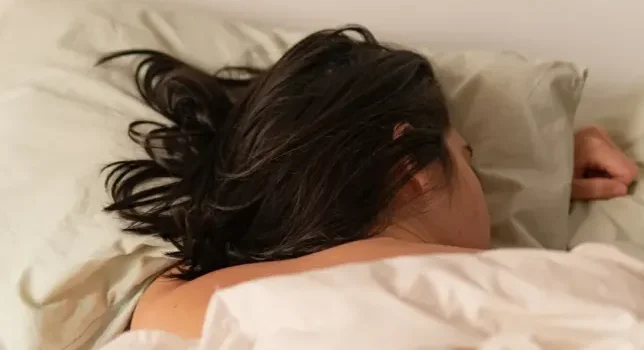
Sleeping with wet hair has been the subject of many myths and warnings for years. From concerns about catching colds to fears of long-term hair damage, there are plenty of beliefs about the practice. But what’s the truth behind it? Let’s dive into the myths, risks, and even potential benefits of going to bed with damp hair.
Debunking Common Myths About Sleeping with Wet Hair
Myth 1: You’ll Catch a Cold
One of the most common misconceptions is that sleeping with wet hair can cause a cold. This belief likely stems from the idea that being cold makes you more vulnerable to illness. However, colds are caused by viruses, not temperature. While sleeping with wet hair might make you feel chilly, it won’t directly lead to catching a cold.
Myth 2: It Can Cause Serious Health Issues
Some people worry that going to bed with wet hair could lead to more severe illnesses like pneumonia or respiratory infections. However, these conditions are caused by bacterial or viral infections, not by damp hair. While being cold and wet may weaken your immune system slightly, it doesn’t directly cause these illnesses.
The Real Risks of Sleeping with Wet Hair
While the health myths are unfounded, there are still some real risks associated with sleeping with wet hair, particularly when it comes to your scalp and hair health.
- Increased Risk of Fungal Infections
A damp environment, such as a wet pillow, can promote fungal growth. Fungi thrive in moist conditions, and if your pillow absorbs the moisture from your hair, it could lead to scalp issues like dandruff or fungal infections. - Hair Damage
Wet hair is much more fragile than dry hair. The friction between your damp hair and the pillowcase as you move around while sleeping can lead to breakage, tangling, and split ends. Additionally, wet hair stretches more easily, which increases the risk of damage during sleep. - Scalp Irritation
Constant exposure to moisture on the scalp can lead to irritation, itchiness, or discomfort, especially for those with conditions like eczema or psoriasis. The prolonged dampness can exacerbate these issues, making it uncomfortable to sleep with wet hair frequently.
How to Minimize the Risks of Sleeping with Wet Hair
If you prefer to wash your hair at night or occasionally find yourself with damp hair before bed, there are steps you can take to reduce potential damage:
- Use a Silk Pillowcase
Silk pillowcases help reduce friction, which prevents hair breakage and frizz. They also absorb less moisture compared to cotton, keeping your pillow drier and reducing the risk of fungal growth. - Gently Dry Your Hair
Before going to bed, lightly towel dry your hair to remove excess moisture. Avoid rubbing your hair vigorously, as this can cause damage. Instead, pat your hair dry or use a microfiber towel to absorb the water. - Apply a Leave-In Conditioner or Serum
To protect your hair from damage, apply a leave-in conditioner or hair serum. These products form a protective barrier around your hair, reducing friction and keeping it hydrated. - Avoid Tight Hairstyles
If you tie your hair back while sleeping, choose a loose braid or ponytail. Tight hairstyles can cause tension and breakage, especially when your hair is wet and more vulnerable. - Keep Your Sleeping Environment Clean
Regularly wash your pillowcases and keep your sleeping area clean to minimize the risk of fungal infections. You might also want to consider using hypoallergenic pillow covers to protect your scalp.
Potential Benefits of Sleeping with Wet Hair
While there are some risks to consider, there are also a few benefits to sleeping with wet hair:
- Enhanced Curls and Waves
For those with naturally curly or wavy hair, sleeping with damp hair can enhance your natural texture. Braiding your hair before bed while it’s damp can result in beautiful, heat-free waves or curls by morning. - Saves Time
Washing your hair at night means you won’t need to spend time blow-drying or styling in the morning. This can be a real time-saver for people with busy mornings. - Cooling Effect in Hot Weather
During the summer or hot weather, sleeping with wet hair can help you feel cooler and more comfortable as you drift off to sleep.
Final Thoughts on Sleeping with Wet Hair
While sleeping with wet hair is unlikely to cause any serious health issues, it can still lead to some hair and scalp problems if you’re not careful. By following the right precautions, such as using a silk pillowcase, gently drying your hair, and applying protective products, you can minimize the risks and still enjoy the benefits. Ultimately, whether you choose to sleep with wet hair depends on your hair type, comfort level, and personal preferences. With the right care, you can keep your hair healthy and damage-free.