







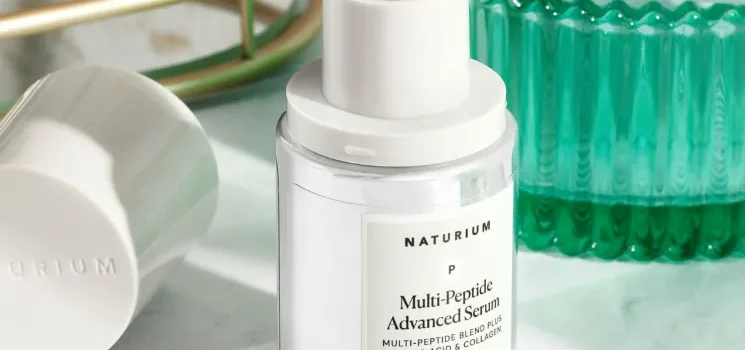
When navigating the world of beauty products, it’s easy to get lost in a sea of marketing terms and buzzwords. As someone who’s spent time researching skincare ingredients, I can tell you it’s not always straightforward, especially when you’re not a dermatologist or biologist. Understanding what’s in your products—and what actually works—can save you both time and money. One such buzzword that I’ve encountered repeatedly is “peptides,” and like many others, I wasn’t sure what they actually do. So, I dug into the research to figure out if peptides are truly a must-have for your skincare routine. Here’s what I found.
What Are Peptides?
Peptides are essentially short chains of amino acids, the building blocks of proteins. They are similar to proteins but differ in size—while proteins are typically made up of over 50 amino acids, peptides contain between 2 and 50. Due to their smaller size, peptides are sometimes referred to as “small proteins.”
How Do Peptides Benefit Your Skin?
Peptides can offer various benefits to the skin depending on their type. For example, certain peptides encourage the skin to produce more collagen, which is crucial for maintaining its elasticity and firmness. As we age, our body’s natural collagen production decreases, which is why boosting collagen levels can help rejuvenate the skin.
However, there’s a catch. Collagen molecules are too large to penetrate the skin barrier effectively, meaning that collagen creams and serums are unlikely to have a significant impact. This is why many beauty experts are skeptical about the effectiveness of topical collagen.
Where peptides come into play is as messengers. Certain peptides signal the skin to produce more collagen or assist in its healing. For example, copper peptides are known to help deliver copper to the skin, which has been shown to be beneficial for skin healing. So, in theory, peptides can aid in improving skin texture and promoting a more youthful appearance.
How to Spot Peptides in Ingredient Lists
Peptides are often difficult to identify in a product’s ingredient list. Sometimes, you’ll see them labeled by the number of amino acids they contain (e.g., dipeptides, tripeptides, etc.), or under specific trade names like Argireline (Acetyl Hexapeptide) or Matrixyl (Palmitoyl Pentapeptide).
Do Peptides Actually Work?
The big question: Do peptides live up to the hype? To be honest, I’m not entirely convinced. Many products, some of them quite expensive, promote peptides as miracle ingredients, but that’s misleading. There are many different types of peptides, so it’s unlikely that one single peptide is a catch-all solution for all skin concerns.
Additionally, there isn’t enough solid evidence to confirm that peptides provide significant benefits for the skin. While ingredients like Vitamin A or Vitamin C have well-established anti-aging properties, the jury is still out on peptides. Most experts suggest that peptides might work, but further research is needed to determine their true efficacy in skincare.
Moreover, some peptides are large and unstable, which means they need to be formulated carefully in order to remain effective. It can also take weeks or even months of consistent use to see any noticeable effects, assuming the peptides in the product are active.
Should You Spend Big on Peptide-Infused Skincare?
If a product contains peptides, it may help your skin, but I wouldn’t recommend splurging on these products just yet. There’s still a lot we don’t know about how peptides function in skincare, and more research is needed to fully understand their benefits. In the meantime, I find it safer to stick with ingredients like antioxidants, and Vitamins A, C, and B3, which have proven benefits for skin health and elasticity.
Here are some tips for navigating the beauty aisle when it comes to peptides:
- Check reviews: Find reliable sources and consider their opinions. While what works for one person may not work for another, reading multiple reviews can give you a good idea of a product’s effectiveness.
- Set a budget: Determine how much you’re willing to spend on skincare. This will make your shopping experience less overwhelming and more focused.
- Use what you love: The best products are the ones you use consistently. If a product works for you, then it’s worth the price—within reason. Remember, quality doesn’t always equate to a high price tag. I personally use both a $9 serum and a $100 night cream, and I love them equally.
In conclusion, while peptides may have some benefits for the skin, I wouldn’t prioritize them over other proven ingredients. If you’re curious, try a peptide-based product, but don’t break the bank over it until more research can confirm its effectiveness.