





Minimalism isn’t just about decluttering your home—it extends to your wardrobe as well. Having too many clothes can be overwhelming, especially when quantity overshadows quality. If you’ve ever stood in front of a packed closet feeling like you have nothing to wear, you already understand the problem. The goal of a minimalist wardrobe isn’t to own as few pieces as possible—it’s to own the right pieces.
A minimalist wardrobe works for you. It’s filled with clothes that suit your lifestyle, that fit perfectly, and that you genuinely enjoy wearing. Each item should mix effortlessly with others, offering versatility, beauty, and comfort. To achieve this, one factor matters above all: quality. And at the core of quality lies fabric.
When it comes to choosing what belongs in your wardrobe, the fabric can make or break an item. Over the years, I’ve learned to value texture and durability as much as design. No matter how stylish something looks, if the fabric feels cheap or wears out quickly, it doesn’t make the cut.
So, what fabrics deserve a place in a minimalist closet—and which ones don’t?
The Best Fabrics to Invest In
If there’s one rule to follow, it’s this: go natural.
Natural fibers breathe, last longer, and age beautifully. While they may cost more initially, their longevity and comfort make them worth every penny. Here are some timeless favorites:
Cashmere
Soft, warm, and incredibly light, cashmere is one of the most luxurious materials you can own. It’s ideal for winter and, when cared for properly, can last for years. The key is to handle it gently—hand wash with a mild detergent, dry it flat, and never hang it.
Cotton
Cotton remains a wardrobe essential for good reason. It’s breathable, gentle on the skin, and easy to care for. Whether in the form of crisp shirts, denim, or lightweight knits, it’s versatile for every season. Just be mindful when washing—cold water helps prevent shrinkage and color fading.
Linen
Linen is unbeatable for warm weather. It’s light, airy, and gives that effortless summer look. The downside? It wrinkles easily. If you hate ironing, linen may test your patience, but its comfort and cooling effect make it worth it.
Merino Wool
This fine wool, sourced from Merino sheep, offers warmth without bulk. It’s soft, lightweight, and regulates temperature exceptionally well. Ideal for layering, it’s one of the best materials for transitional seasons.
Silk
Silk exudes elegance and feels luxurious against the skin. Despite being delicate, it’s surprisingly strong and durable when handled with care. A silk blouse or scarf instantly elevates a minimalist outfit.
Leather
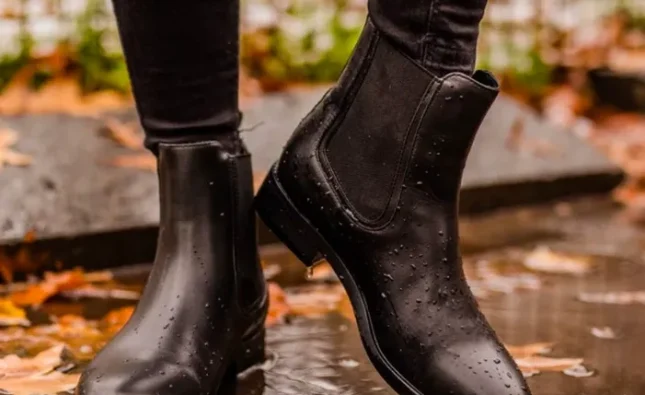
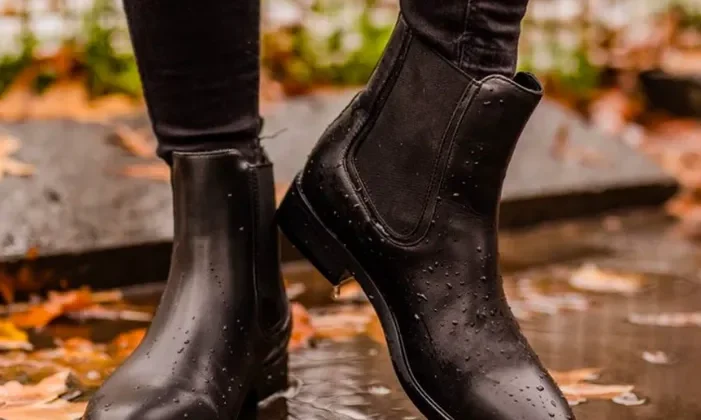
When it comes to accessories—belts, shoes, or bags—genuine leather is hard to beat. It’s durable, stylish, and improves with age. Proper conditioning before use keeps it soft and protected for years.
Fabric Blends
A small mix of synthetics can sometimes be beneficial. Blends that include a modest amount (10–20%) of elastane or polyester can improve elasticity and make fabrics easier to care for. However, the natural fibers should always dominate the blend.
The Fabrics to Avoid
Synthetic materials—like polyester, nylon, and acrylic—are the opposite of what a minimalist wardrobe stands for. Made from petroleum-based chemicals, they trap heat, cause static, and rarely last long. Worse yet, they’re harmful to the environment and often feel uncomfortable against the skin.
While they might appear inexpensive, low-quality synthetics wear out quickly and lose shape after a few washes, forcing you to buy replacements sooner. Over time, that “cheap” purchase becomes costly—not only for your wallet but for the planet.
That said, not every item containing synthetic fibers is bad. Some pieces serve their purpose—like athletic wear or weather-resistant jackets. The key is balance and awareness. Before buying, always check the fabric label. You might be surprised to find that even high-end designer pieces often rely on synthetic materials despite their hefty price tags.
Finding Balance
Building a minimalist wardrobe doesn’t mean throwing out everything made from synthetic fabric overnight. Instead, it’s about becoming a more conscious consumer. Understand what materials you’re buying, how they’re made, and how they’ll hold up over time.
The more you learn about fabrics, the easier it becomes to make intentional choices. Quality isn’t about luxury—it’s about longevity. When your wardrobe is filled with well-made, comfortable, and beautiful pieces, you’ll find yourself shopping less and loving what you already own even more.
In the end, minimalism isn’t about deprivation—it’s about appreciation. And when it comes to your wardrobe, that appreciation starts with the fabric.