






We’ve all heard of fast fashion—the rapid, low-cost production of trendy clothing that fills our favorite stores every few weeks. But in recent years, a new movement has emerged as a thoughtful response to this cycle: slow fashion. What does it really mean, and how can we embrace it in our everyday lives?
From Fast to Thoughtful
To understand slow fashion, it helps to look at what came before it. Fast fashion thrives on quick turnarounds and fleeting trends. In the past, fashion seasons were carefully planned by designers and released only a few times a year. Today, brands like Zara and H&M introduce new pieces every couple of weeks. This constant rotation encourages impulse buying, cheap manufacturing, and disposable wardrobes.
While the low prices may seem appealing, they come with hidden costs—environmental damage, underpaid labor, and overflowing landfills. That inexpensive shirt might not cost much at the register, but the real price is paid elsewhere.
The Essence of Slow Fashion
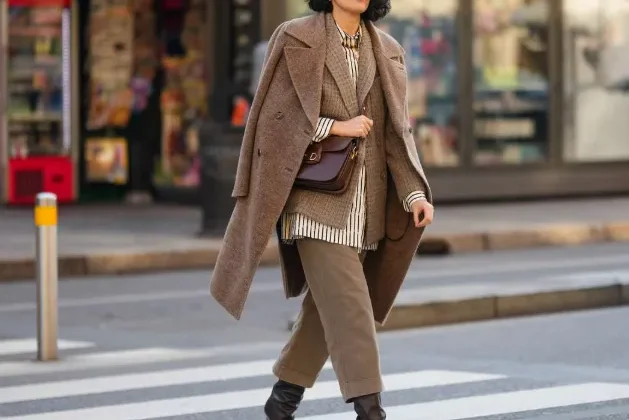
Slow fashion stands as the counterpoint to everything fast fashion represents. It’s about thoughtful production, ethical choices, and lasting value. Rather than chasing trends, it focuses on timeless design, craftsmanship, and sustainability.
Here’s what slow fashion encourages:
- Creating and buying clothing made to last, both in quality and style.
- Supporting fair wages and safe working conditions.
- Reducing waste and minimizing environmental impact.
- Rejecting overconsumption and choosing intentional purchases.
- Celebrating individuality instead of mass-produced sameness.
In essence, slow fashion isn’t just a style—it’s a mindset that values purpose over excess.
How to Embrace Slow Fashion
1. Prioritize Style Over Trends
Trends come and go, but personal style lasts. Stay aware of what’s popular, but don’t feel pressured to follow every wave. Experiment to find what truly reflects you and stick to pieces that make you feel confident. Being stylish doesn’t mean being trendy—it means being authentic.
2. Rethink Your Shopping Habits
Take a closer look at your buying patterns. How often do you shop? What drives your purchases? If you find yourself buying just for a quick thrill, pause before the next swipe of your card. Conscious shopping means asking, “Do I really need this?” before saying yes.
3. Invest in a Long-Term Wardrobe
A well-curated wardrobe doesn’t happen overnight—it grows with intention. Choose pieces that you’ll reach for repeatedly because they fit well, feel good, and align with your lifestyle. The more you love what you already own, the less tempted you’ll be to replace it with something new.
4. Choose Quality Over Quantity
A cheap top might seem like a bargain, but if it loses its shape after a few washes, it’s not really saving you money. High-quality pieces may cost more upfront, but they last longer and look better over time. Think of them as investments rather than quick fixes.
5. Shop with Purpose
Before heading out (or scrolling online), make a plan. Know what gaps exist in your wardrobe and shop with those in mind. Aim for versatility, durability, and timeless appeal. Wandering without purpose often leads to regretful purchases.
6. Support Ethical and Independent Brands
Explore sustainable designers, local artisans, and second-hand stores. You’ll not only find unique pieces but also contribute to a fairer and more creative fashion ecosystem. Discovering ethical brands can be as rewarding as wearing their designs.
A Conscious Choice for the Future
Fast fashion may seem inescapable, but we as consumers hold the power to shift the industry. Every mindful purchase is a vote for a different kind of fashion—one that respects people, the planet, and the art of clothing itself. Change doesn’t require perfection; it starts with awareness and small, consistent steps.
Slow fashion is not about rejecting beauty or creativity—it’s about redefining them. It’s a reminder that true style isn’t measured by how much you own, but by how thoughtfully you choose.